


Neurology & Neurosurgery in Nagpur
Neurology & Neurosurgery in Nagpur
Specialized Care for Brain, Spine and Nervous System Disorders
The brain, spinal cord and nerves play an essential role in almost every function of the human body, from movement and balance to memory, sensation and communication. When a neurological problem develops, timely medical evaluation can help identify the cause of symptoms and determine the appropriate course of treatment.
At Jeevoday Multispeciality Hospital, the Department of Neurology focuses on the evaluation and management of neurological conditions affecting the brain, spinal cord and nervous system. The department's approach emphasizes evidence-based medical care, careful assessment and coordination between healthcare professionals according to each patient's needs.
Whether you are experiencing recurring headaches, seizures, changes in movement, symptoms of a possible stroke or concerns related to the spine, consulting a qualified medical professional can help you understand your condition and available treatment options.
If you are looking for Neurology & Neurosurgery in Nagpur, Jeevoday Multispeciality Hospital can be contacted to enquire about neurological consultations and the availability of relevant specialist services.
Department Overview
Neurological conditions can affect people of different ages and may present with symptoms that range from mild discomfort to serious medical emergencies. Some conditions develop gradually, while others appear suddenly and require immediate attention.
The Department of Neurology at Jeevoday Multispeciality Hospital describes its approach as multidisciplinary and evidence-based, with a focus on compassionate care for patients with neurological conditions.
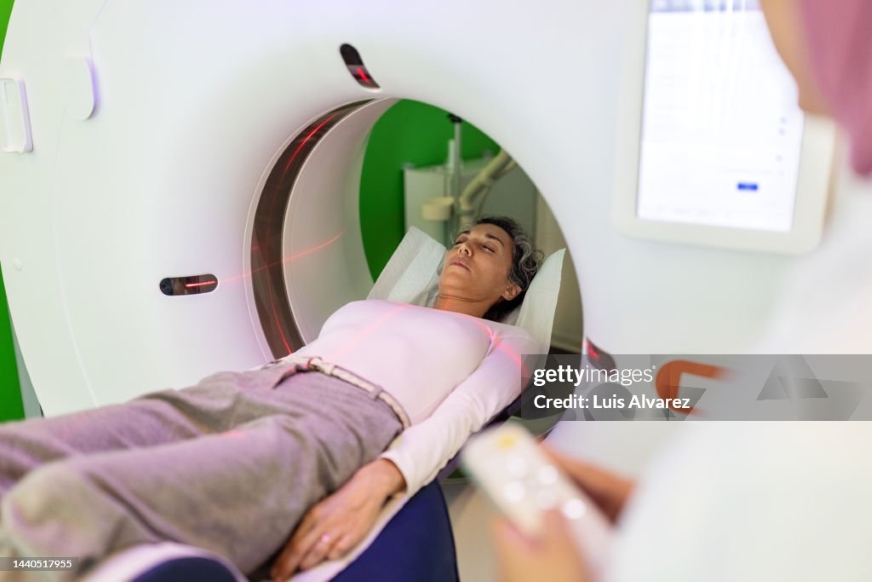
Neurological evaluation may involve reviewing symptoms, medical history, physical examination and appropriate diagnostic investigations. Depending on the findings, a doctor may recommend medication, monitoring, further testing, rehabilitation or consultation with another specialist.
Some neurological conditions can be managed medically, while others may require evaluation by a neurosurgeon. The appropriate treatment pathway depends on the diagnosis, severity of symptoms and individual clinical requirements.
Conditions We Treat
-
Stroke and Transient Ischemic Attack (TIA)
Epilepsy and Seizure Disorders
Chronic Migraine and Recurrent Headaches
Specialized diagnostic assessment and tailored evidence-based management.
Advanced Technology & Procedures
A medical assessment helps determine the cause of the symptoms and the appropriate treatment.Epilepsy is a neurological condition characterized by a tendency to experience recurrent seizures.
A medical consultation can help distinguish migraine from other headache disorders and identify whether additional investigations are necessary.
Advanced diagnostic and surgical accuracy supporting faster patient recovery.
Key Highlights
-

Neurology and Neurosurgery: Understanding the Difference
Although neurology and neurosurgery both focus on disorders of the nervous system, their roles are different.This is test
this is test 2
Frequently Asked Questions About Neurology & Neurosurgery in Nagpur
Frequently Asked Questions About Neurology & Neurosurgery
What does a neurologist treat?
A neurologist evaluates and manages conditions affecting the brain, spinal cord and nerves. These may include epilepsy, migraine, stroke-related conditions and certain movement or nerve disorders.
What is the difference between a neurologist and a neurosurgeon?
A neurologist generally focuses on diagnosis and medical management, while a neurosurgeon evaluates and treats selected conditions that may require surgery. Some patients may need coordinated care from both specialties.
When should I seek emergency care for neurological symptoms?
Sudden weakness on one side of the body, facial drooping, difficulty speaking, sudden vision loss, a first seizure or a sudden severe headache with concerning symptoms requires urgent medical evaluation.
Can epilepsy be managed with treatment?
Many people with epilepsy can achieve improved seizure control with appropriate treatment. Management depends on the type of seizure, its cause, the patient's medical history and response to prescribed medication.
When should I consult a doctor for recurring headaches?
Consult a healthcare professional if headaches recur frequently, worsen, interfere with daily activities or change in pattern. Sudden, severe or unusual headaches accompanied by neurological symptoms require urgent assessment.
Do all spinal disorders require surgery?
No. Many spinal conditions can be managed without surgery. Treatment depends on the underlying cause, severity of symptoms, examination findings and response to initial management.
What tests may be required for neurological conditions?
Depending on the symptoms, a doctor may recommend blood tests, imaging such as CT or MRI, or electrophysiological tests. Not every patient needs every test; investigations are selected according to clinical requirements.
How can I enquire about neurology services at Jeevoday Multispeciality Hospital?
Contact Jeevoday Multispeciality Hospital using its official contact details to enquire about neurological consultations, specialist availability and relevant diagnostic services.
Take the Next Step Towards Neurological Care
Persistent neurological symptoms deserve appropriate medical attention. Whether you have recurring headaches, concerns about seizures, symptoms affecting movement or questions about a diagnosed neurological condition, a medical consultation can help clarify your options.
Contact Jeevoday Multispeciality Hospital to enquire about available neurology and neurosurgery services and arrange an appropriate consultation.